Innovations in Aluminum Castings: processes that improve quality and efficiency
Wiki Article
The Importance of Aluminum Foundry in Progressing Industrial Production Techniques
The Aluminum Foundry plays an essential duty in the advancement of commercial manufacturing techniques. Its lightweight homes and convenience make Aluminum a suitable selection for numerous applications. Advanced casting approaches, including die spreading and 3D printing, enable elaborate layouts and mass manufacturing. As the sector changes in the direction of automation and sustainability, questions occur regarding the future trajectory of Aluminum factories and their effect on making performance. What challenges and developments lie ahead?The Function of Aluminum in Modern Manufacturing
Aluminum plays an essential function in contemporary production as a result of its one-of-a-kind properties and convenience. As a lightweight steel, it especially minimizes the total weight of products, boosting fuel effectiveness in transport and aerospace markets. Its outstanding rust resistance warranties long life and integrity, making it ideal for various applications, from automotive parts to constructing products. Aluminum's malleability allows it to be quickly shaped into complicated styles, facilitating cutting-edge product development. Additionally, its conductivity makes it appropriate for electrical applications, adding to innovations in electronic devices and sustainable energy innovations. The adaptability of Aluminum also includes its recyclability, which adds to lasting manufacturing practices. As industries continue to prioritize efficiency and ecological obligation, Aluminum remains a vital product, promoting innovation and improving manufacturing processes throughout several sectors. Its function is not just functional; it is fundamental to the evolution of contemporary industrial methods.Trick Advantages of Aluminum Spreading
The advantages of Aluminum spreading are significant, contributing to its appeal in various commercial applications. One essential advantage is the lightweight nature of aluminum, which lowers transportation expenses and improves gas effectiveness in auto and aerospace markets. In addition, aluminum's excellent rust resistance expands the lifespan of cast parts, making them perfect for marine and outside settings.Furthermore, Aluminum casting permits elaborate styles and complex geometries, giving manufacturers with greater adaptability in item development - Metal Castings. The material additionally shows good thermal and electrical conductivity, making it ideal for a series of digital applications
An additional benefit is the quick solidification procedure, which brings about finer microstructures and boosted mechanical residential properties. Light weight aluminum can be recycled repetitively without shedding its intrinsic top qualities, promoting sustainability in manufacturing methods. These benefits emphasize Aluminum casting's essential duty in progressing industrial production methods while meeting varied design requirements.
Innovative Casting Strategies and Technologies
Numerous ingenious casting strategies and modern technologies have emerged to boost the efficiency and top quality of Aluminum production. Among these, pass away casting attracts attention as a technique that permits high-volume manufacturing of complex forms with outstanding dimensional precision. This method makes use of high pressure to infuse liquified Aluminum into a mold, leading to smooth surface areas and reduced demand for machining.One more notable innovation is using 3D printing for mold and mildews, which allows quick prototyping and reduces lead times significantly. This innovation permits for detailed layouts that typical methods might battle to accomplish.
Furthermore, financial investment casting continues to develop, utilizing sophisticated materials and processes to develop accuracy elements. The adoption of computer simulations in the casting procedure has actually additionally enhanced results by maximizing and predicting possible problems mold and mildew styles. Together, these advancements are transforming Aluminum foundries, paving the way for much more efficient production and premium product quality in numerous markets.
Ecological Impact and Sustainability in Aluminum Foundries
As sectors increasingly focus on sustainability, the environmental effect of Aluminum shops has come under analysis. These facilities are considerable factors to greenhouse gas discharges and power intake, mainly due to the energy-intensive processes associated with melting and spreading light weight aluminum. The removal of bauxite, the primary ore, additional exacerbates ecological problems, leading to environment damage and pollution.In action to these obstacles, several Aluminum factories are adopting much more sustainable practices (Aluminum Castings). Developments such as reusing scrap Aluminum considerably lower power use and discharges, as recycling needs just a portion of the power required for main manufacturing. In addition, the combination of renewable resource sources, such as solar and wind power, is gaining grip in shops aiming to reduce their carbon footprint
Improvements in innovations that lessen waste and enhance resource performance are ending up being necessary for the future of the Aluminum market. These efforts emphasize the change in the direction of an extra ecologically accountable and sustainable approach in Aluminum foundries.
Applications of Aluminum Casting Throughout Industries
Aluminum casting finds extensive application across diverse sectors, owing to its desirable residential or commercial properties such as lightweight, corrosion resistance, and exceptional machinability. In the automotive market, manufacturers use Aluminum spreadings for engine parts, transmission housings, and structural components, enhancing fuel effectiveness and efficiency. The aerospace sector gain from light weight aluminum's strength-to-weight ratio, using it in airplane frames and elements, which add to decreased general weight and improved fuel economic situation.websites Additionally, the customer electronics industry uses Aluminum castings for housings and chassis, incorporating aesthetic appeal with longevity. In building, Aluminum castings are utilized for window frameworks, doors, and architectural aspects, supplying both capability and layout adaptability. In addition, the aquatic market makes use of Aluminum spreading for boat hulls and fittings, making sure resistance to deep sea deterioration. This convenience across various fields underscores Aluminum casting's vital function in modern industrial applications, driving development and efficiency.
Challenges Faced by Aluminum Foundries
Aluminum foundries experience substantial difficulties in meeting strict ecological policies while maintaining operational performance. In addition, a shortage of knowledgeable labor worsens these problems, hindering efficiency and technology. Resolving these issues is crucial for the sustainability and growth of the Aluminum casting sector.Environmental Laws Compliance
Although Aluminum factories play an important function in industrial manufacturing, they frequently face substantial challenges in conforming with ecological policies. These policies are created to minimize air and water contamination, waste generation, and energy consumption. Shops usually must invest in advanced modern technologies to you could try here meet rigid emission standards and handle harmful products effectively. The costs related to these upgrades can stress funds, especially for smaller operations. Additionally, the complexity of going across regulative structures can bring about conformity mistakes, causing pricey charges. In addition, continual adjustments in regulations require shops to adapt swiftly, frequently requiring continuous training and updates in functional practices. Stabilizing governing conformity with manufacturing efficiency stays an important issue for the Aluminum Foundry sector.Experienced Labor Scarcity
As the Aluminum Foundry industry continues to develop, a pressing challenge has actually arised: a skilled labor shortage that endangers the market's efficiency and growth. This shortage is mostly fueled by an aging workforce and the lack of rate of interest amongst younger generations in pursuing jobs in production. Many skilled jobs call for specialized training and experience, which are increasingly difficult to find. Aluminum foundries battle to preserve operational effectiveness, leading to delays and enhanced production expenses. Efforts to bring in new ability with instruction programs and collaborations with instructional establishments are underway, yet these initiatives require time to generate results. Without a durable increase of competent employees, the Aluminum Foundry industry may deal with significant obstacles in meeting the needs of contemporary industrial manufacturing.Future Fads in Aluminum Foundry Production Techniques
The future of Aluminum Foundry production strategies is positioned to be significantly formed by advancements in automation and sustainable material advancements. Automation is expected to boost performance and precision in Foundry processes, lowering labor costs and lessening human mistake (Aluminum Foundry). An expanding emphasis on sustainability will drive the advancement of environment-friendly products and practices, aligning the industry with worldwide ecological objectives.Automation in Foundry Processes
Sustainable Material Innovations
While the Aluminum Foundry industry accepts automation, an identical concentrate on lasting product technologies is improving production techniques for the future. Innovations in reusing processes are enabling factories to use post-consumer aluminum, considerably decreasing power intake and waste. The development of eco-friendly additives and finishings is minimizing the ecological influence linked with traditional materials. Developments in light-weight Aluminum alloys are boosting performance while promoting sustainability, making items not just more effective yet additionally easier to recycle at the end of their life process. As the market adapts to stricter ecological policies, these lasting methods are ending up being important. Inevitably, the commitment to sustainable product innovations in Aluminum factories will drive enhanced efficiency while attending to international ecological challenges.Frequently Asked Questions
Exactly How Does Aluminum Contrast to Various Other Steels in Casting?
Aluminum supplies benefits over various other steels in spreading, consisting of lower melting factors, excellent fluidness, and resistance to rust. These residential or commercial properties allow intricate designs and faster production, making Aluminum a preferred choice for many industries.What Precaution Remain In Place in Aluminum Foundries?
Safety measures in Aluminum factories include protective equipment for employees, appropriate ventilation systems, regular equipment upkeep, fire avoidance protocols, and stringent adherence to safety and security guidelines, making certain a safe environment while minimizing the threat of injuries and mishaps.How Are Aluminum Alloys Selected for Certain Applications?
Aluminum alloys are selected based upon mechanical buildings, rust resistance, and thermal conductivity. Engineers review application needs, thinking about aspects like weight, stamina, and environmental problems, guaranteeing perfect efficiency for details commercial or commercial usages.What Is the Average Life Expectancy of Aluminum Cast Products?
The ordinary life expectancy of Aluminum cast items generally varies from 20 to 50 years, relying on environmental aspects, usage problems, and upkeep methods. Correct treatment can significantly prolong their useful durability and performance effectiveness.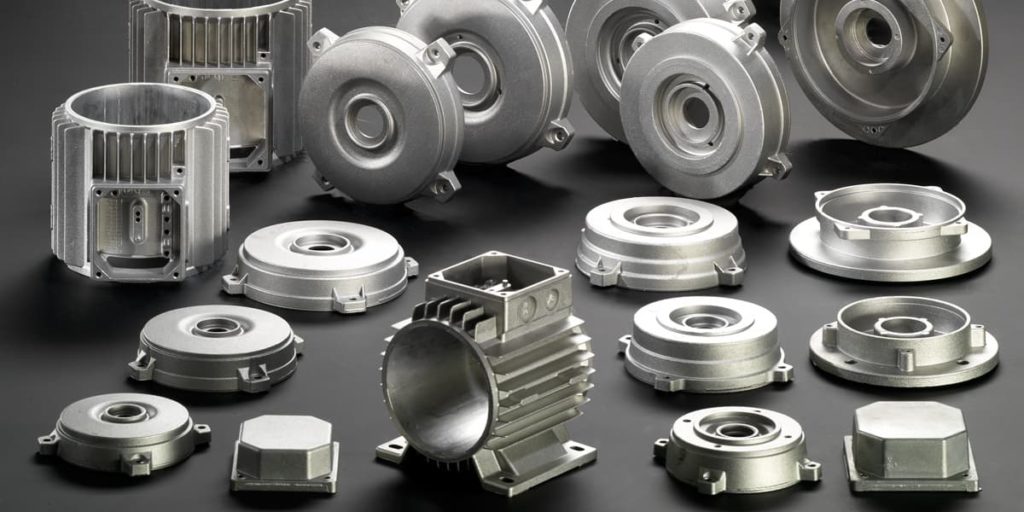
Exist Qualifications for Aluminum Foundry Processes?
Yes, there are qualifications for Aluminum Foundry procedures, including ISO 9001 for high quality administration systems and certain sector requirements like ASTM and SAE, which guarantee adherence to high quality and safety in Aluminum production and spreading.Aluminum shops play an important role in industrial production, they commonly deal with substantial obstacles in abiding with ecological laws. Aluminum foundries struggle to maintain operational performance, leading to delays and boosted manufacturing expenses. The future of Aluminum Foundry manufacturing strategies is positioned to be substantially formed by advancements in automation and sustainable material innovations. Significantly, automation is shaping the landscape of Aluminum Foundry production methods, driving effectiveness and precision. While the Aluminum Foundry industry embraces automation, a parallel emphasis on lasting product technologies is improving production techniques for the future.
Report this wiki page